如, this is it: Curated by Yongdae Kim

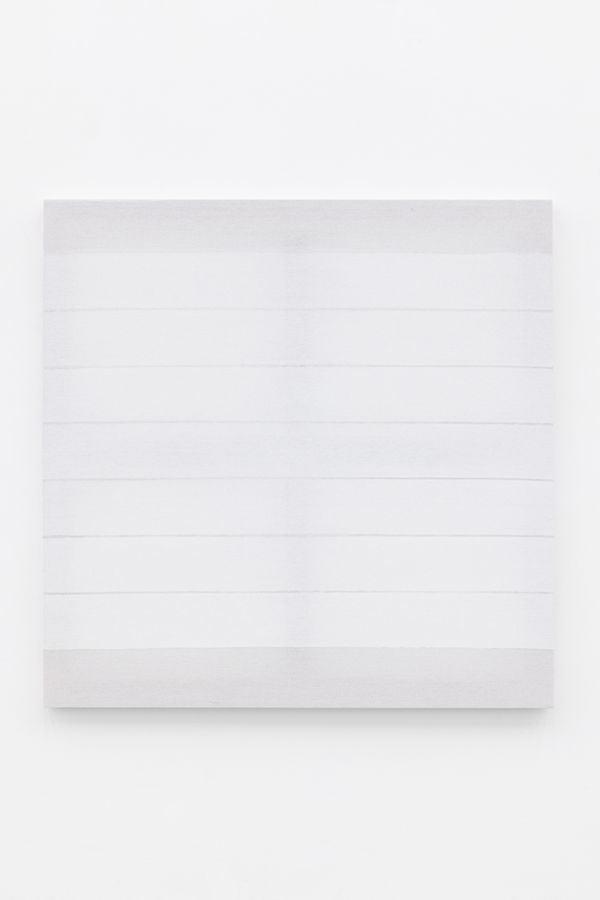
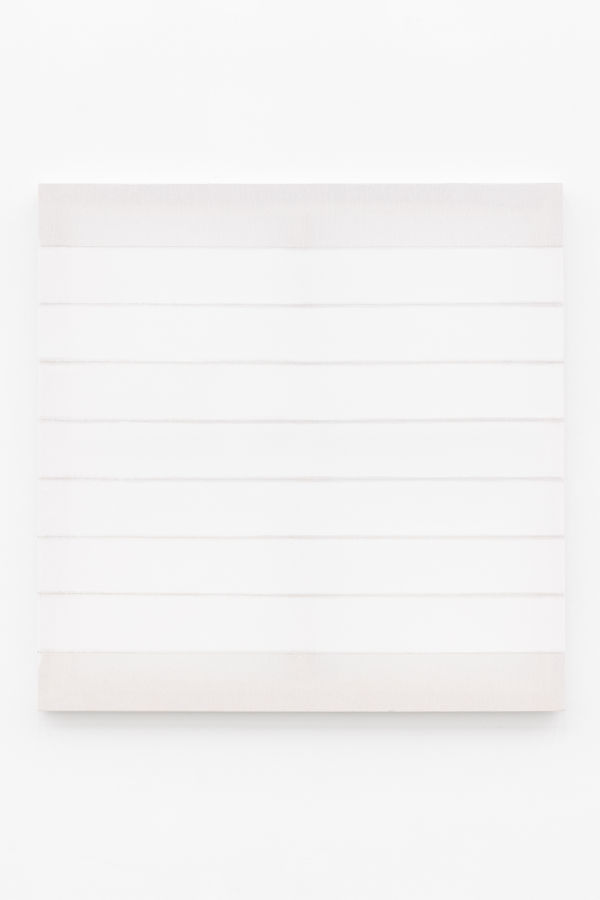
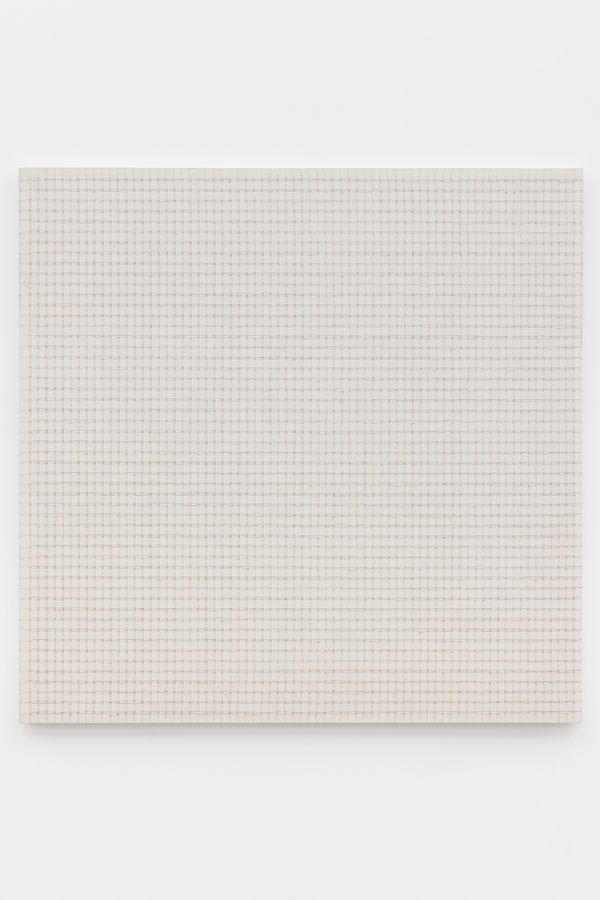
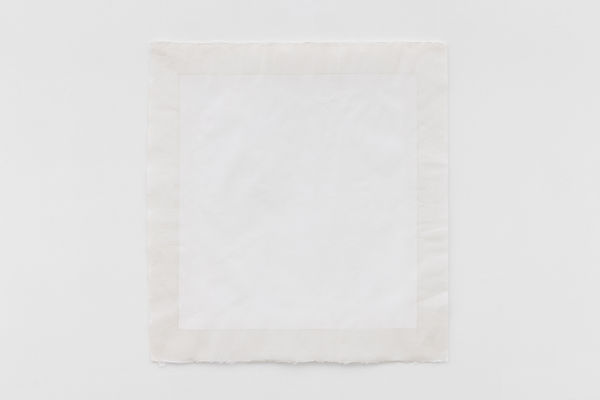
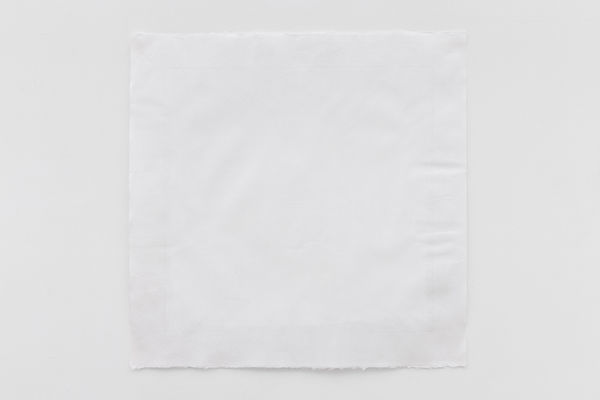
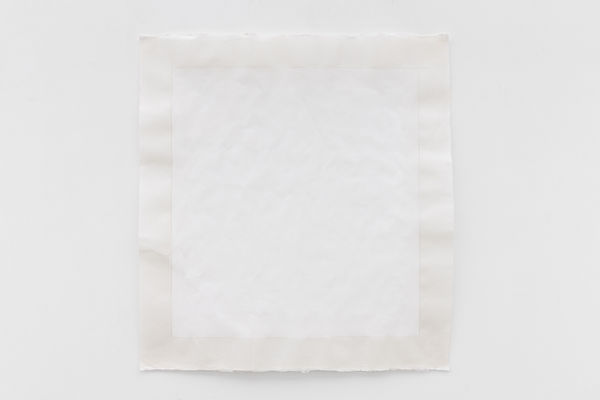
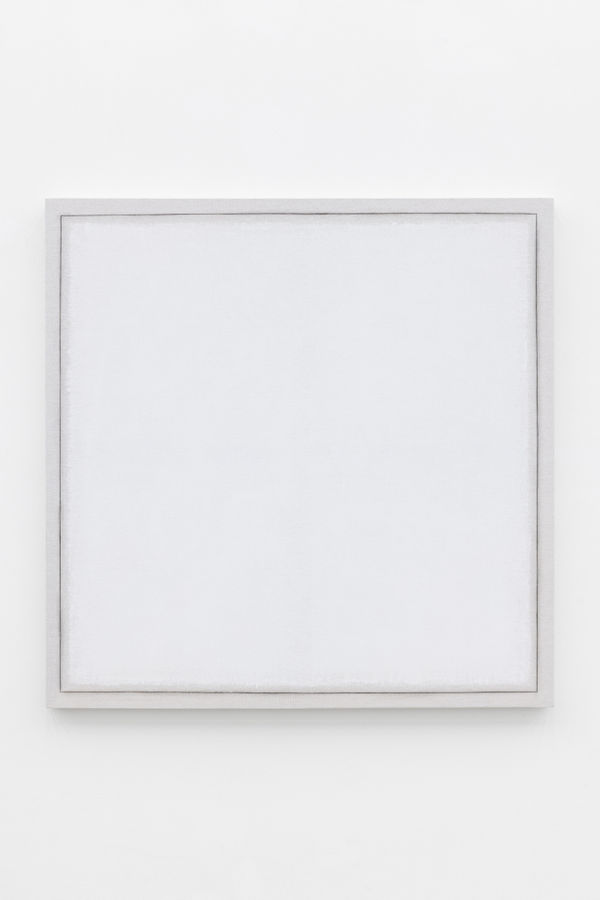
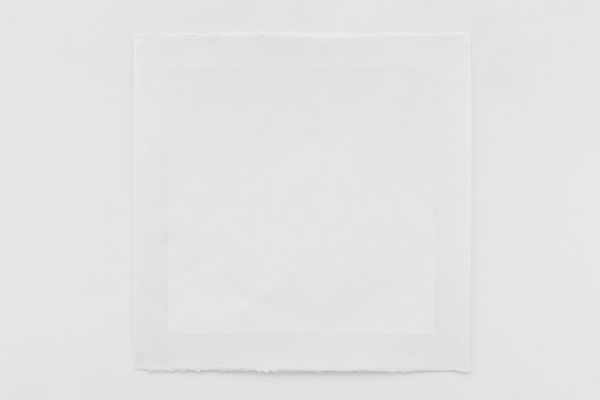
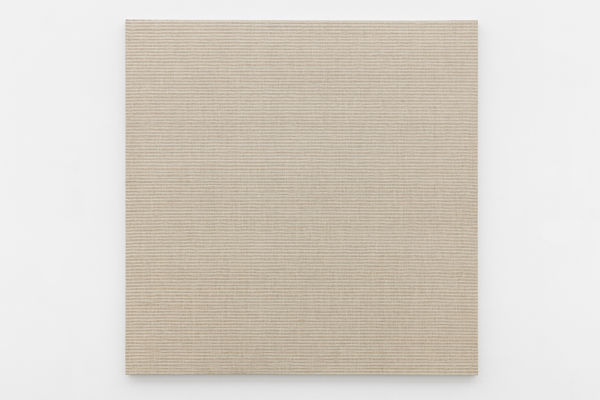
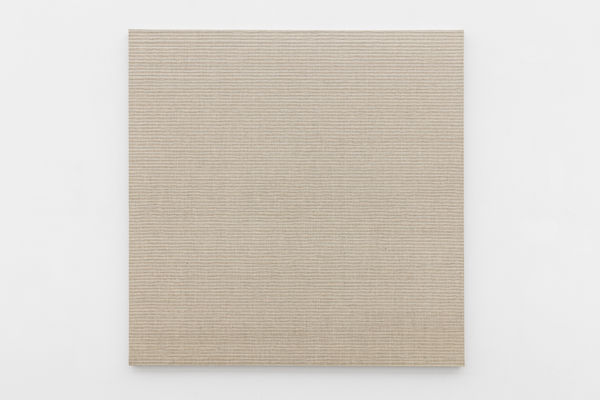
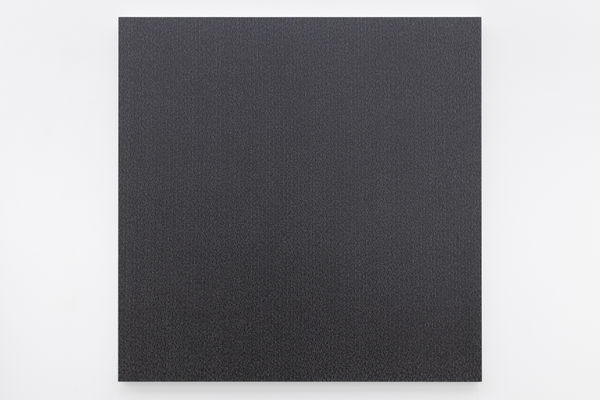
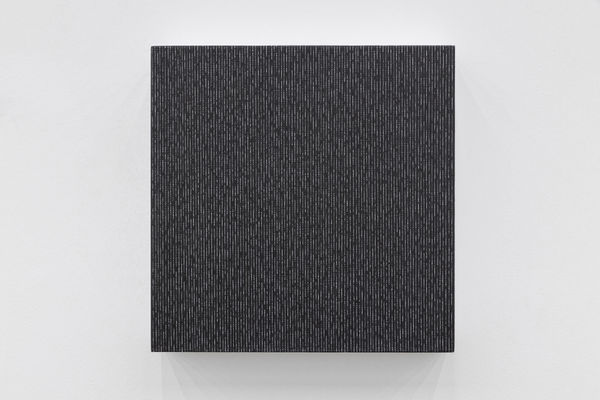
더페이지갤러리는 2026년 첫 전시로 동서양의 철학과 사상을 바탕으로 서양의 미니멀리즘 거장과 한국의 단색화 작가를 한자리에 모은 단체전 《如, this is it》을 2월 26일부터 4월 26일까지 개최한다. 전시는 조선시대 백자 무릎 연적과 함께 미국의 미니멀리즘 거장 리차드 세라(Richard Serra), 로버트 라이먼(Robert Ryman), 그리고 한국의 최명영, 황정희, 박훈성, 박석원의 작품을 선보인다.
본 전시는 불교의 ‘여(如)’ 사상과 독일 출신의 고전주의 학자 괴테(Johann Wolfgang von Goethe, 1749–1832)의 ‘섬세한 경험주의(Zarte Empirie)’에서 출발한다. 두 사유는 대상을 해석하거나 판단하려 하지 않고, 있는 그대로의 모습을 존중하며 현상이 스스로 드러나도록 허용하는 인식의 태도를 공유한다. 이는 세계를 설명하기보다 직접 경험하며 마주하려는 하나의 미학적 태도로 확장된다.
조선 백자 무릎 연적은 이러한 미학의 원형적 출발점으로 기능한다. 흙과 유약, 불의 작용만으로 완성된 연적은 백색을 색채가 아닌 물질의 결과로 드러내며 절제와 제한을 통해 감각의 깊이를 확장한다. 반복과 비움 속에서 형성되는 이러한 미학적 구조는 서구 미니멀리즘과 한국 단색화가 물성과 정신의 교차점에서 이어지는 하나의 계보적 흐름을 드러낸다. 무릎 연적은 단순한 기능적 사물을 넘어 동시대 미학의 근원적 원형으로 제시된다.
사물은 의미를 스스로 설명하지 않고 단지 존재하며, 관람자는 그것을 이해하기보다 경험해 나간다. 이처럼 단색화와 미니멀리즘은 형식적 유사성을 넘어 세계를 대하는 인식의 태도를 공유한다. ‘여(如)’는 인위적이고 과도한 표현을 덜어냄으로써 존재가 스스로 드러나는 순간을 허용하는 미학적 태도로서 예술이 현존의 경험으로 회복될 수 있는 가능성을 제시한다. 본 전시는 동서양의 철학과 현대 미술이 만나는 지점에서 존재를 새롭게 감각하는 경험을 선보인다.
The Page Gallery presents its first exhibition of 2026, a group exhibition titled 《如, this is it》, bringing together masters of Western Minimalism and leading Korean Dansaekhwa artists under a shared foundation of Eastern and Western philosophy. On view are works by American Minimalist masters Richard Serra and Robert Ryman, alongside Korean artists Choi Myoung Young, Hwang Jung Hee, Park Hoon Sung, and Park Suk Won, presented in dialogue with a White Porcelain Knee-shaped Water Dropper from Joseon Dynasty.
The exhibition departs from the Buddhist concept of “Yeo (如)” and Johann Wolfgang von Goethe’s notion of “Delicate Empiricism (Zarte Empirie)”. Both modes of thought resist interpretation or judgment, instead respecting things as they are and allowing phenomena to reveal themselves. This shared attitude expands into an aesthetic position that seeks to encounter the world through direct experience rather than explanation.
The White Porcelain Knee-shaped Water Dropper from Joseon Dynasty functions as the archetypal point of departure for this aesthetic. Formed solely through the interaction of clay, glaze, and fire, the vessel reveals whiteness not as color but as the result of material process, extending sensory depth through restraint and limitation. The aesthetic structure formed through repetition and emptiness reveals a genealogical continuum between Western Minimalism and Korean Dansaekhwa at the intersection of materiality and spirit. Beyond a simple utilitarian object, the water dropper is presented as a primordial prototype of contemporary aesthetics.
Objects do not explain their meaning; they simply exist, and the viewer encounters them through experience rather than interpretation. In this sense, Dansaekhwa and Minimalism share not merely formal affinities but a common epistemological stance toward the world. As an aesthetic attitude that removes excessive and artificial expression, “Yeo (如)” allows being to reveal itself. It proposes the possibility that art may be restored as an experience of presence. At the point where Eastern and Western philosophy converge with contemporary art, the exhibition offers a renewed sensorial encounter with existence.


-

백자 무릎 모양 연적
White Porcelain Knee-shaped Water Dropper
Joseon Dynasty, 19th Century
9.3 x 8.8 cm -
Robert Ryman
Untitled, 1971
Acrylic on red vinyl plate
53.5 x 53.5 cm -
Robert Ryman
Sans Titre, 1969
Paint on mylar
63.5 x 63.5 cm -
황정희 Hwang Jeong Hee
Cloud 241103, 2024
Acrylic and graphite with linen
91 x 91 cm -
황정희 Hwang Jeong Hee
Square 250302, 2025
Acrylic and graphite with linen
91 x 91 cm -
Park Suk Won
Accumulation-2398, 2023
Korean paper on canvas
130 × 130 cm -
황정희 Hwang Jeong Hee
Square 250715, 2025
Acrylic and graphite with Hanji paper
74 x 74 cm -
황정희 Hwang Jeong Hee
Square 250904, 2025
Acrylic and graphite with Hanji paper
74 x 74 cm -
황정희 Hwang Jeong Hee
Square 250706, 2025
Acrylic and graphite with Hanji paper
74 x 74 cm -
황정희 Hwang Jeong Hee
Cloud 251112, 2025
Acrylic and graphite with linen
91 x 91 cm -
황정희 Hwang Jeong Hee
Cloud 251101, 2025
Acrylic and graphite with linen
91 x 91 cm -
황정희 Hwang Jeong Hee
Cloud 251202, 2025
Acrylic and graphite with linen
91 x 91 cm -
황정희 Hwang Jeong Hee
Square 250913, 2025
Acrylic and graphite with Hanji paper
74 x 74 cm -
Choi Myoung Young
Conditional Planes 23-51, 2023
Oil on canvas
130 × 130 cm -
Choi Myoung Young
Conditional Planes 25-20, 2025
Oil on canvas
130 × 130 cm -
Choi Myoung Young
Conditional Planes 24-10, 2024
Acrylic on canvas
130 × 130 cm -
Park Suk Won
Accumulation-250614, 2025
Korean paper on canvas
131 × 131 cm -
Park Suk Won
Accumulation-250606, 2025
Korean paper on canvas
131 × 131 cm -
Park Hoon Sung
The White 2410-1, 2024
Oil on canvas
180 × 180 cm -
Park Hoon Sung
The Black 2502-1, 2025
Pencil on canvas
180 × 180 cm -
Park Hoon Sung
The Black 2511-1, 2025
Oil on canvas
130 × 130 cm -
Park Hoon Sung
The Black 2601-3, 2026
Pencil on canvas
30 × 30 cm -
Park Hoon Sung
The Black 2602-3, 2026
Pencil on canvas
30 × 30 cm -
Park Hoon Sung
The Black 2509-1, 2025
Pencil on canvas
30 × 30 cm -
Robert Ryman
Drawing 79, 1979
Varathane and ink on steel panel with four round bolts
44.5 x 36.8 cm -
Richard Serra
Elevational Weights (Planck), 2010
Paintstick on paper
207 × 173 cm -
Choi Myoung Young
Conditional Planes 21-315, 2021
Acrylic on canvas
227.3 × 162 cm -
Choi Myoung Young
Conditional Planes 21-310, 2021
Acrylic on canvas
227.3 × 162 cm